
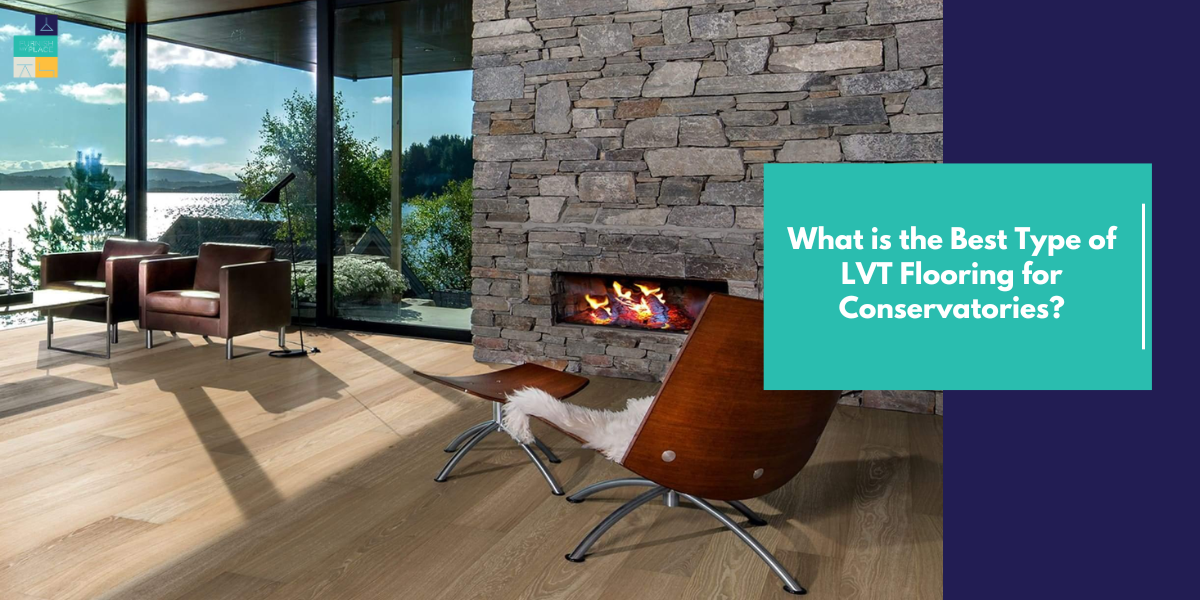
A conservatory is a beautiful addition to any home, with a smooth blend of indoor and outdoor space. However, choosing the right floor for this room is important since conservatories present unique challenges such as temperature changes, humidity, and sun exposure. In this context, Luxury Vinyl Tile (LVT) flooring is one of the best options due to its durability, water resistance, and stylish looks.
In this guide, we consider the top forms of LVT flooring for conservatories, thoroughly examining the key considerations such as wear layers, core types, and installation to assist you in making the best choice.
Understanding Conservatories and Their Flooring Needs
Conservatories are generally constructed with big glass panels, which expose them to drastic temperature variations. In summers, they get unbearably hot as they are constantly held under the grip of direct sun rays, and in winters, they get colder than the rest of the house.
Key Flooring Considerations for Conservatories
- Temperature Fluctuations: The flooring should expand and contract without suffering any damage.
- Humidity Resistance: Moisture buildup should not affect durability.
- UV Protection: Sunlight exposure may cause fading and discoloration.
- Insulation Needs: Underlayment effectively controls temperature.
What Makes LVT Flooring Ideal for Conservatories?
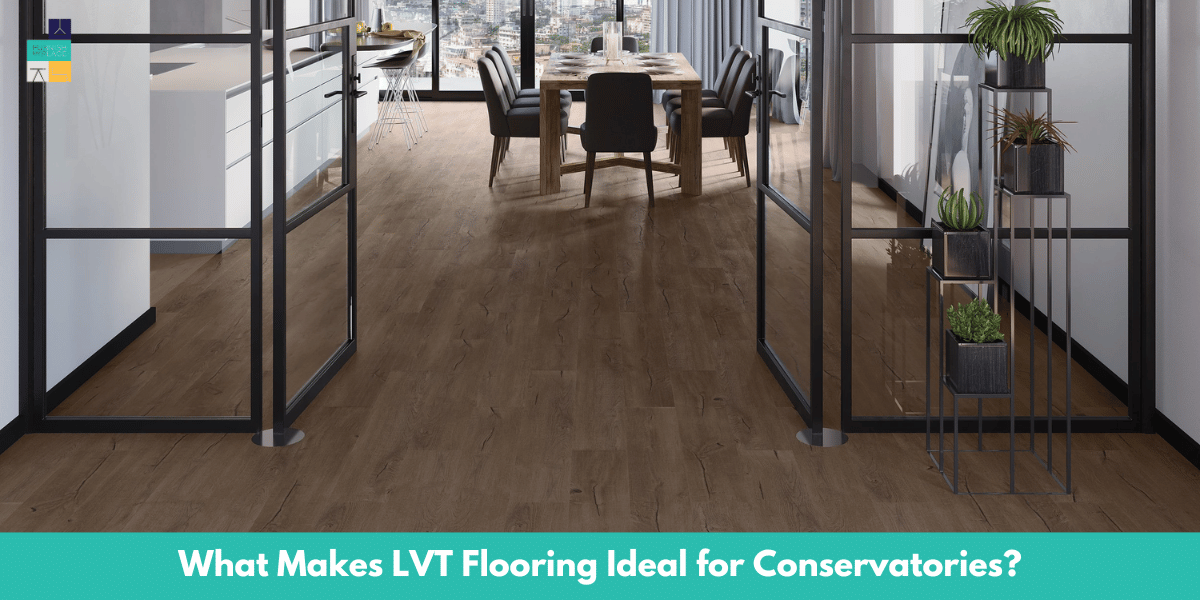
LVT flooring is made to replicate the look of real wood or stone and provides great durability. LVT is a favorite for conservatories because of the following reasons:
Moisture Resistance
Conservatories are more humid, but LVT’s water resistance guarantees that it can support such an environment.
Temperature Stability
In contrast to solid wood, which warps and gaps considerably with temperature fluctuations, rigid core LVT flooring does not shift, avoiding gaps and warping.
UV Protection Layer
A higher-end LVT product features a UV protective coating, which resists fading and color change from years of exposure to sunlight.
Wear Layer for Durability
The wear layer controls the floor’s resistance to scratches and stains, providing long-term performance in a busy location.
Key Features to Consider When Choosing LVT for Conservatories
When selecting the perfect LVT flooring for your conservatory, the following characteristics should be taken into consideration:
Wear Layer Thickness
- A 20-mil or thicker wear layer provides improved scratch resistance and durability.
- Best for locations with heavy foot traffic and furniture movement.
Core Type
- SPC or WPC Rigid Core LVT has improved stability and superior heat resistance.
- Although flexible LVT can provide a cheaper alternative, it will contract in warm temperatures.
Underlayment for Insulation
- It assists in temperature regulation, minimizing the effects of summer heat and winter cold.
- It provides acoustic absorption, making the indoor space quieter.
Waterproof Properties
- Critical to avoid condensation and humidity damage.
- It guards against unintended spills and damp environments.
Best Types of LVT Flooring for Conservatories
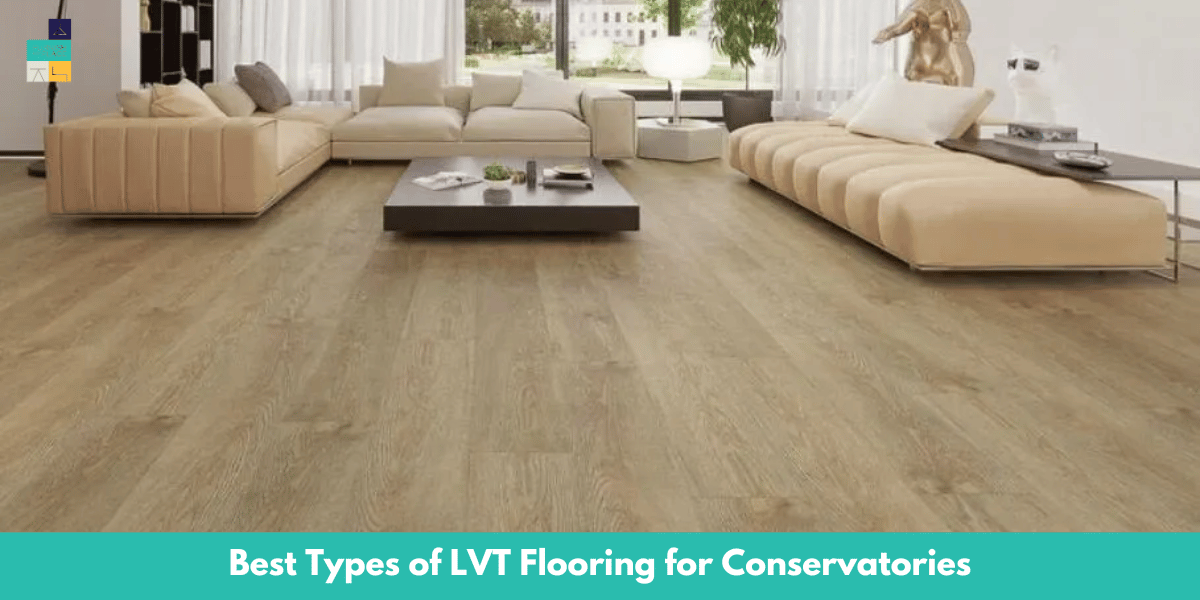
Based on the most important features, the most suitable LVT flooring types are the following:
Rigid Core LVT Flooring
- Best for houses that undergo extreme temperature variations.
- Why use it? SPC (Stone Plastic Composite) and WPC (Wood Plastic Composite) cores yield better stability and amazing heat endurance.
Glue-Down LVT Flooring
- Ideal for achieving optimum stability in conservatories.
- Why use it? Glue-down installation prevents expansion and contraction and is ideal to be employed in warm temperatures.
Click-Lock LVT Flooring
- Best suited to DIY enthusiasts desiring an instant installation procedure.
- Why use it? The installation provides a simple and uncomplicated installation, though underlayment installation for better insulation is recommended.
UV-Protected LVT Flooring
- Best for sun-facing conservatories.
- Why use it? The UV protective coating protects against fading and discoloration, ensuring long-term beauty.
Installation Considerations for LVT in Conservatories
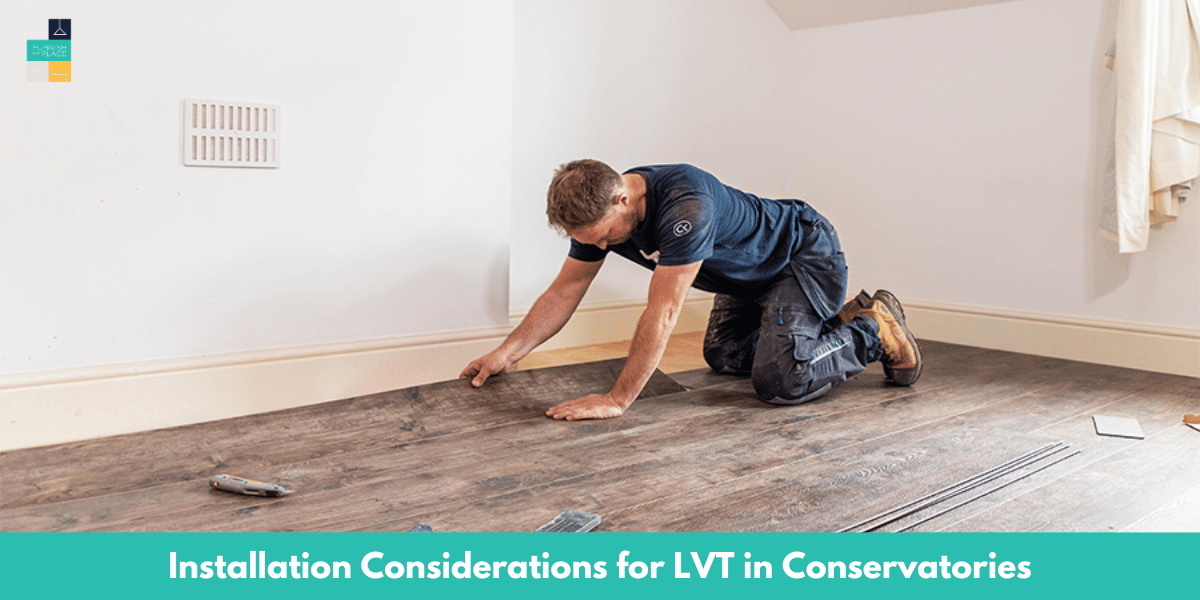
Managing Expansion & Contraction
- Leave spare expansion gaps on the edges of the room for minute adjustments.
- Select glue-down LVT if there are extreme temperature fluctuations.
Using Underlayment for Insulation
Choose a thermal underlayment to help minimize heat absorption and offer comfort beneath your feet.
Professional vs. DIY Installation
Click-lock LVT is simple and DIY-friendly to install, but glue-down LVT may require professional help for long-term stability.
Maintaining LVT Flooring in a Conservatory
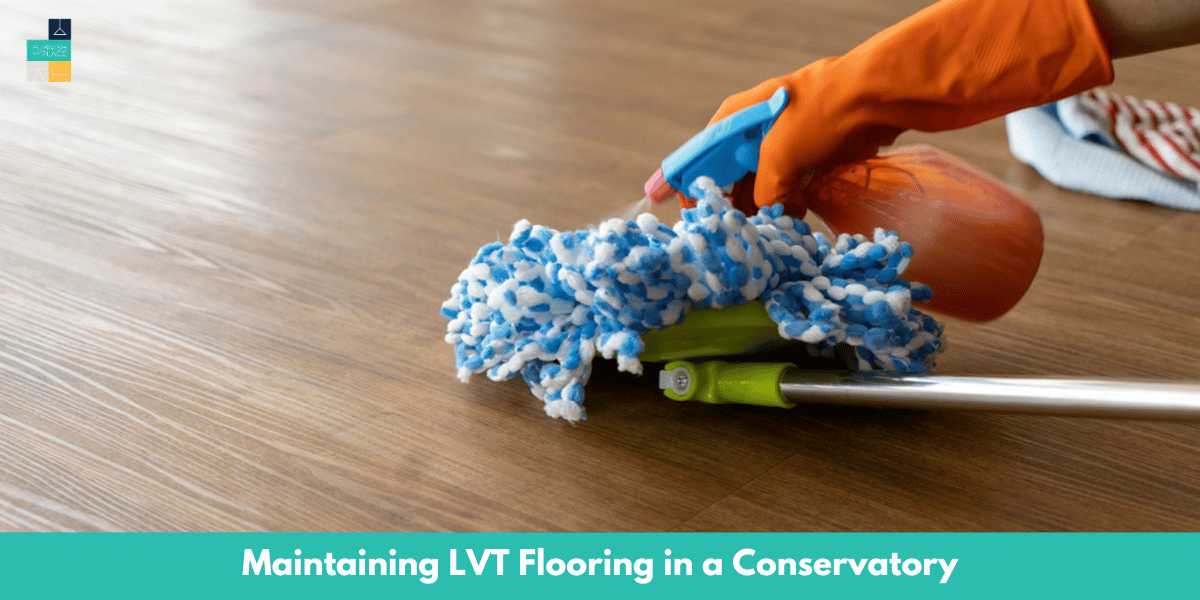
- Regularly sweep and mop to keep dust from accumulating.
- Utilize UV-blocking window films or blinds to reduce sun damage.
- Avoid standing water to preserve the integrity of the waterproof coating.
LVP Flooring for Conservatories in North Carolina
When selecting LVT flooring for conservatories in North Carolina, it’s essential to choose a product that can withstand the unique environmental conditions of these spaces. Our premium luxury vinyl tile (LVT) flooring options are designed to offer superior moisture resistance, UV protection, and thermal stability, ensuring your conservatory remains stylish and functional year-round.
We provide a range of rigid core LVT, glue-down LVT, and click-lock LVT in various designs, including wood-look and stone-look finishes, to complement any aesthetic. Whether you need high-durability options for extreme temperatures or waterproof flooring to prevent humidity damage, our collection has the perfect fit.
Conclusion
Luxury vinyl tile (LVT) flooring is ideal for use in conservatories, due to its water and UV resistance, durability, and ease of fit. Depending upon the specific demands of your conservatory, you might find rigid core LVT, glue-down LVT, or UV-proof LVT best suited. By buying the right form of LVT flooring, it is possible to be assured of its enduring durability and stunning beauty.
Which is the most robust conservatory LVT flooring option?
Rigid Core LVT, whether SPC or WPC, is the most durable choice, owing to its high stability and temperature resistance.
Does LVT flooring expand and contract with a temperature change?
Glue-down and rigid core LVT offer improved dimensional stability and reduced warping potential.
Is rigid core LVT better than glue-down LVT for conservatories?
Your decision depends on your particular requirements—rigid core LVT performs optimally in harsh environments, while glue-down LVT provides long-term stability.
How can I stop LVT flooring from fading in a conservatory?
Choose the LVT flooring product that also has a layer of UV protection, and pair it with UV-blocking window blinds or film.
Can I fit LVT flooring myself in a conservatory?
Click-lock LVT is ideally suited to DIY installation, while glue-down LVT is ideally suited to professional installation.
How to properly take care of LVT flooring in areas of high humidity?
Daily cleaning and drying, in addition to thorough ventilation, will keep your floor healthy.
Does underlayment improve conservatory insulation?
Yes, the thermal underlayment provides insulation, making your conservatory warm throughout the year.
