
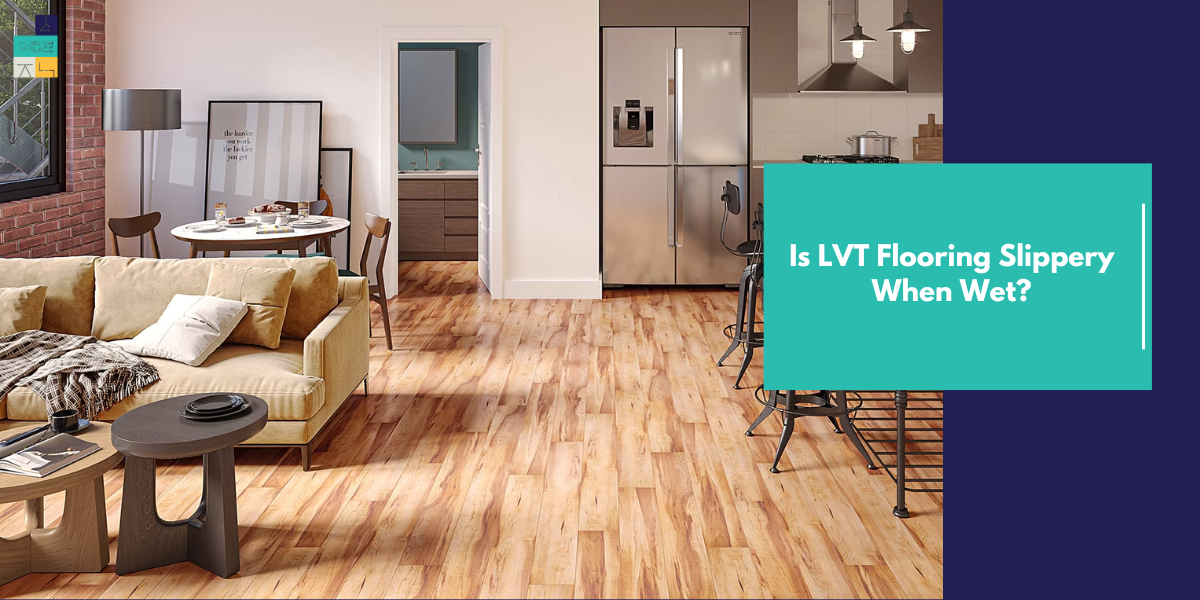
Luxury Vinyl Tile (LVT flooring) is a popular choice among businesses and homeowners due to its water-resistance, affordability, and durability. However, one question that has been often asked is: “Is LVT flooring slippery when wet?”
Slip resistance is a significant concern, especially where there is a risk of water, e.g., bathrooms, kitchens, laundry, and workplaces. Slippery floors lead to accidents, injury, and even liability, so it is necessary to understand how LVT responds to water contact and how safety can be optimized through intervention.
This guide explores the factors influencing LVT’s slipperiness and how to ensure maximum safety. By the end, you’ll have a clear understanding of how to keep your LVT flooring safe and slip-resistant, even in wet conditions.
Understanding LVT Flooring and Its Surface Texture
What is LVT Flooring?
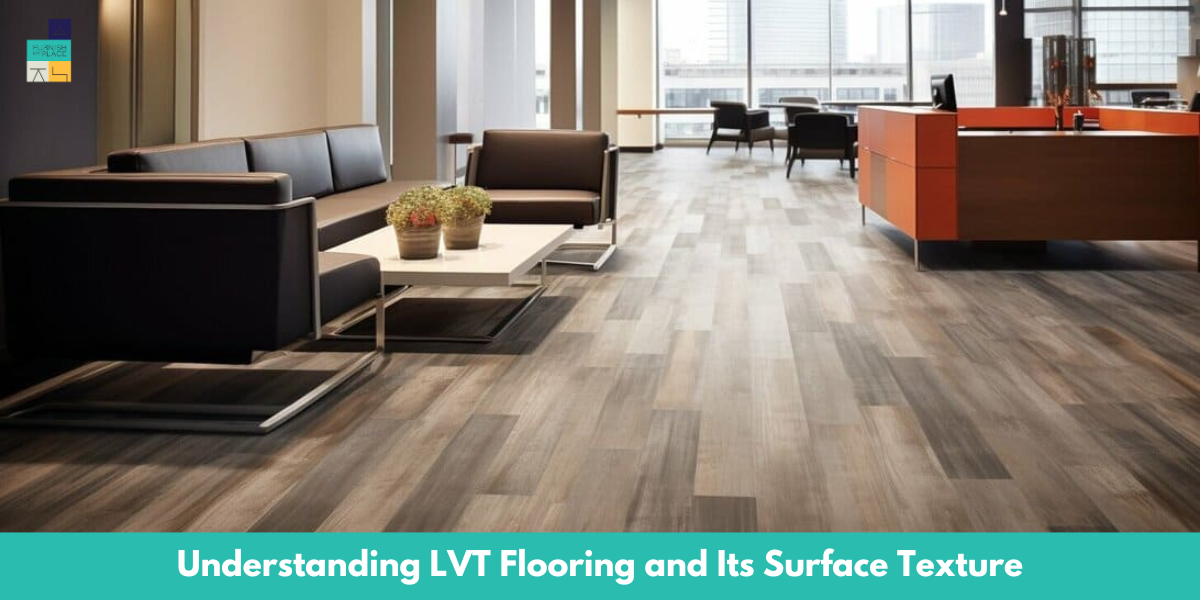
Luxury Vinyl Tile (LVT) flooring is a high-quality, multi-layered synthetic floor covering that imitates the appearance of natural materials like wood and stone. It offers the beauty of authentic flooring with the benefit of being:
- Water-Resistant: In contrast to hardwood, LVT is not water-absorbing, which is perfect for areas with moisture.
- Durable: LVT is dent-resistant, scratch-resistant, and stain-resistant, making it a durable option.
- Easy to Clean: LVT is simple to clean; unlike natural wood, it does not require sealing or waxing, simplifying maintenance.
- Comfortable to Walk On: Most LVT products contain a cushioned backing, minimizing foot tiredness.
How Surface Texture Affects Slip Resistance
The texture of luxury vinyl tile (LVT) flooring is important in defining slip resistance. LVT can be produced with several different finishes, and choosing the right texture can help avoid accidents in wet areas.
- Smooth LVT Flooring: Glossy and smooth to look at; however, it is likely to be slippery when wet.
- Textured or Embossed LVT: Made to replicate the look of real wood grain or stone surfaces, with additional grip and friction.
- Matte vs. Glossy Finishes: Matte-finish LVT is more tactile, while high-gloss finishes are slippery.
When you are selecting luxury vinyl tile (LVT) flooring, choosing a textured or embossed finish is the best option for enhancing slip resistance.
What Makes LVT Flooring Slippery?
The Impact of Water on Friction
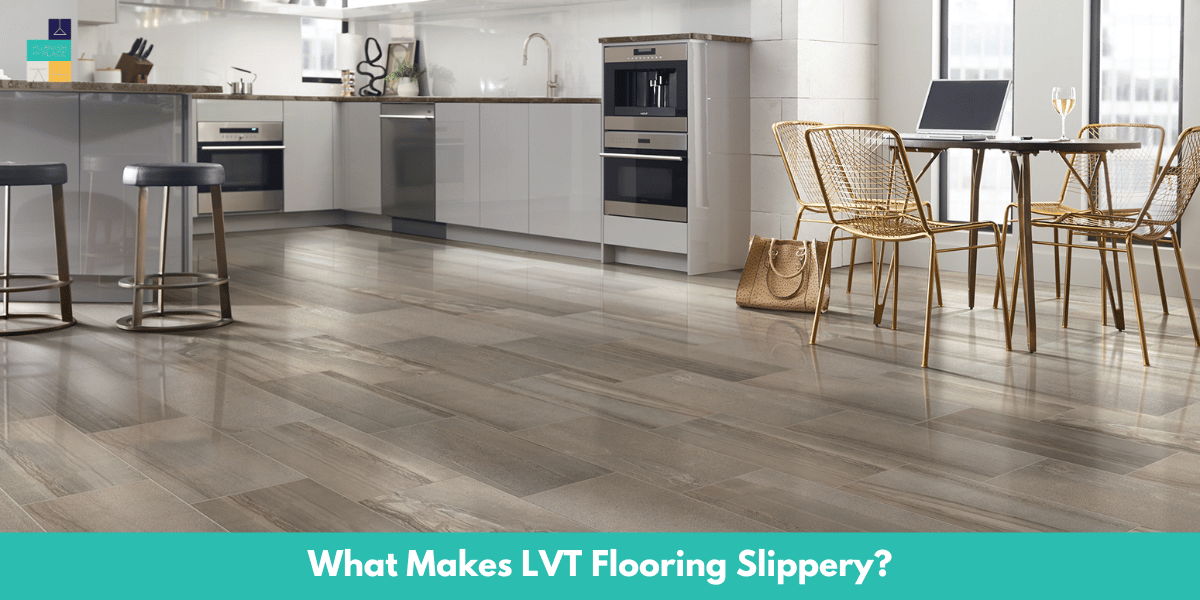
Water naturally reduces friction between the floor and the feet. When water comes into contact with LVT flooring, the water creates a thin lubricant, slipping easily, especially on smooth surfaces.
- If the LVT has a shiny finish, water makes it even more slippery, like a wet ceramic tile.
- Water enters the minute grooves on the wear layer, reducing the grip quality of even textured LVT.
- Spilled liquids such as oil, soap, or cleaning solution also lower traction, increasing the likelihood of falls.
Factors Affecting Slipperiness
- Surface Finish: Shiny and smooth surfaces are slipperier, whereas rough surfaces enhance grip.
- Wear Layer Thickness: The thicker the wear layer thickness (20 mils or thicker), the higher the traction and long-term life.
- Aging & Wear: Older LVT flooring can become less slip-resistant in its original texture.
- Water Puddles: Water on smooth, flat surfaces is a slip risk.
- Cleaning Supplies: Oil or wax-based cleaners leave behind a residue that can lead to slipperiness.
Slip Resistance: How Safe is LVT Flooring?
Industry Standards for Slip Resistance
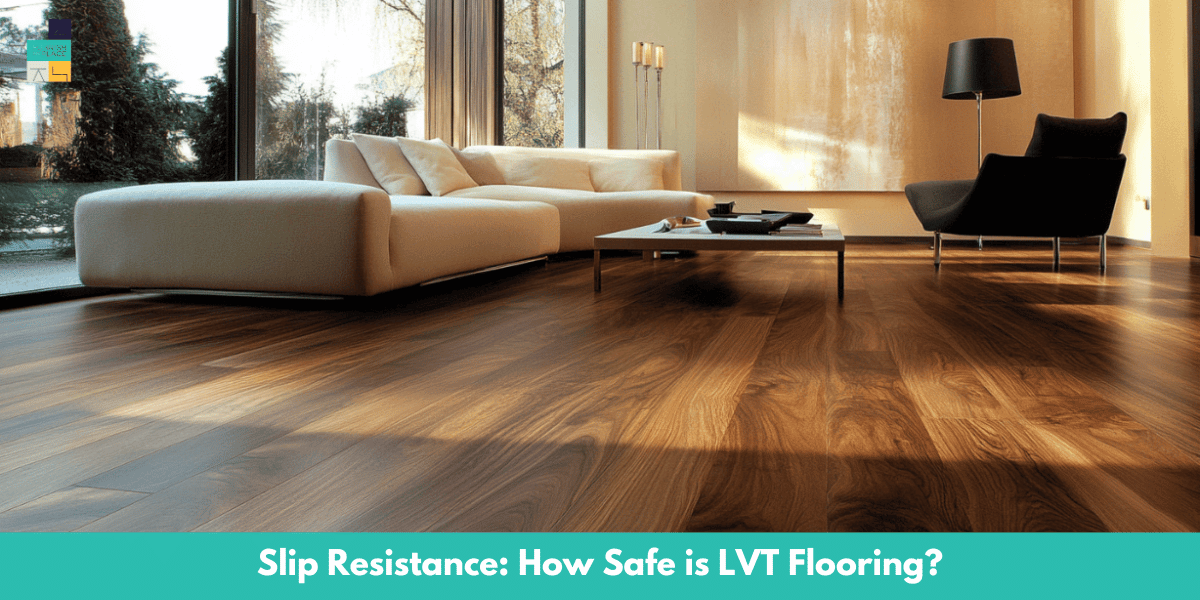
Slip resistance is measured in accordance with a series of safety standards that define the wet condition performance of a floor covering product.
- Coefficient of Friction (COF): This test measures the amount of grip that a floor surface provides. A higher COF means better slip resistance.
- DIN 51130 (R Ratings): European R9 to R13 slip rating scale (R13 being the slip-resistant category).
- ASTM D2047: A test used to determine the static coefficient of friction, making flooring secure.
Residential vs. Commercial Applications
- Residential LVT Flooring: Has a typically mid-range slip resistance rating for domestic use.
- Commercial LVT Flooring: Frequently treated with anti-slip coatings and possesses higher slip ratings, ensuring safety in public spaces.
When installing LVT in bathrooms, kitchens, or entrances, you will need to select an option that has a good slip rating and textured finish to provide safety.
How to Make LVT Flooring Less Slippery
Choosing the Right LVT Flooring
- Choose embossed or textured LVT flooring to provide better traction.
- Verify the wear layer thickness (at least 12–20 mil) to deliver long-lasting slip resistance.
- Look for anti-slip LVT products that have high COF ratings.
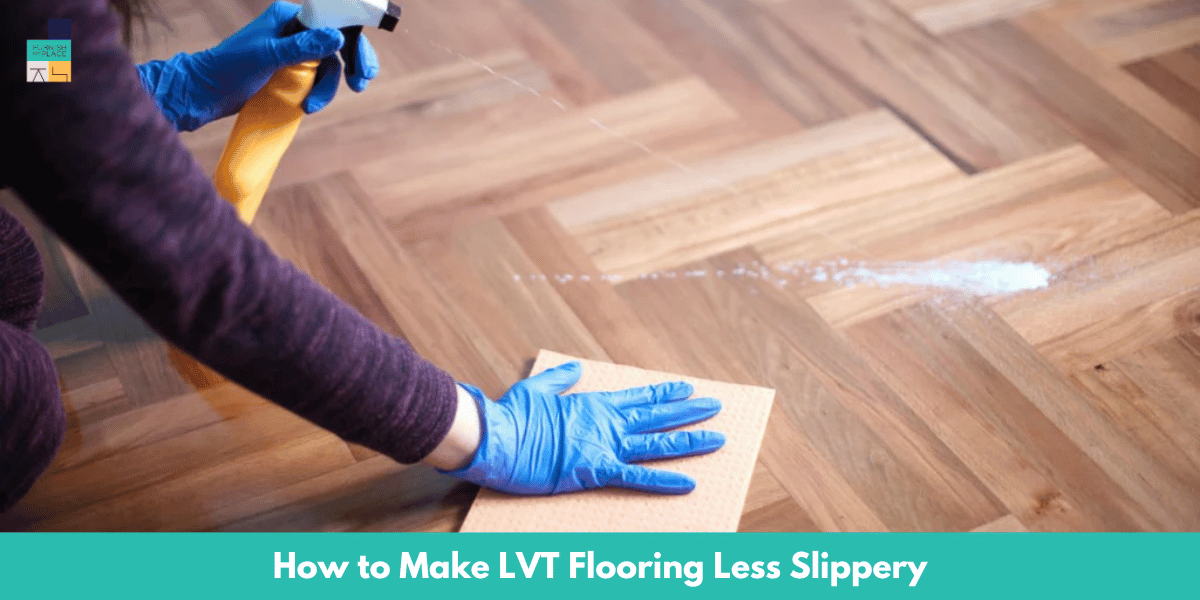
Proper Cleaning and Maintenance
- Do not use wax-based or oil-based cleaners as they leave a slippery residue.
- Wet the mop just enough so you don’t have too much water on the floor.
- Apply non-slip cleaning agents designed to improve traction.
Additional Safety Measures
- Put non-slip mats at the entrances and bathrooms to soak up water.
- Try to apply anti-slip coatings if your floor remains slippery.
Conclusion
LVT flooring is generally considered to be safe and slip-resistant, but as with any other flooring, when wet, it is slippery. Opt for textured finishes, inspect slip ratings, and clean your floors well to avoid the risk of injury.
If you are laying LVT flooring in bathrooms, kitchens, or commercial spaces, consider anti-slip options and routine maintenance to ensure maximum safety.
Is LVT flooring slippery when it is wet?
Yes, smooth LVT flooring is slippery when wet, but textured and anti-slip LVT is more grippy.
How does surface texture improve LVT flooring’s slip resistance?
A textured surface increases friction, making it harder to slip, even in wet conditions.
What slip rating to look for when choosing LVT flooring?
Find an R10 or better slip rating for wet condition safety.
Can anti-slip coatings make LVT flooring safer?
Yes, the use of anti-slip coatings enhances grip and minimizes slipperiness.
What are the most effective cleaning procedures to maintain slip resistance?
Use non-wax, and non-oil cleaners, and avoid excessive water when mopping.
Does wear layer thickness influence slip resistance?
Yes, a thicker wear layer is more durable and has greater traction.
Is LVT flooring suitable for bathrooms and kitchens?
Yes, but choosing waterproof, textured LVT is best for the highest slip resistance.
