
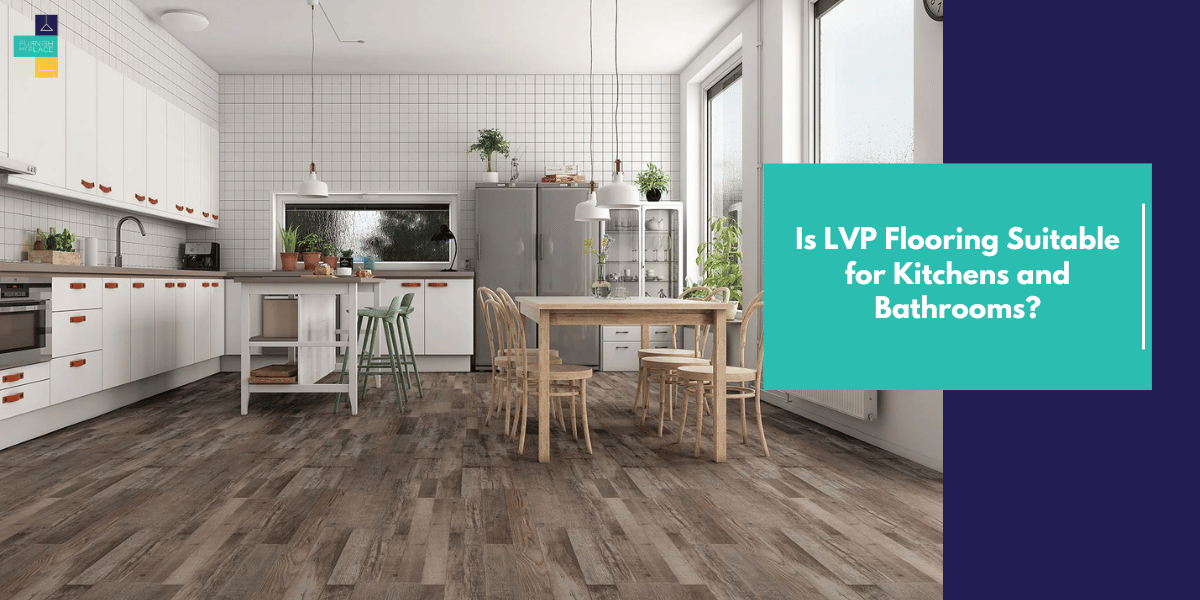
Choosing the right flooring for the bathroom and the kitchen is a major decision for homeowners. Such spaces with high humidity require slip-resistant, low-maintenance, waterproof, and durable flooring. Traditional materials like hardwood and tile do possess certain advantages, but they do come with a few drawbacks like cold floors, maintenance-heavy, and water damage susceptibility.
One of the trendy alternatives on the rise is Luxury Vinyl Plank (LVP) flooring. But is it the best for kitchens and bathrooms? In this guide, we discuss the advantages, disadvantages, installation options, durability, and value for money of LVP to determine whether it’s the ideal floor covering for your home.
What is LVP Flooring?
Luxury Vinyl Plank (LVP) flooring is a synthetic flooring product that is designed to mimic hardwood or tile and offer greater water resistance. It is made up of multiple layers:
- Wear Layer: Scratch, stain, and wear-resistant.
- Printed Layer: Wood or stone appearance.
- Core Layer (SPC or WPC): Offers stability and durability.
- Backing Layer: Provides additional support and water resistance.
Why Kitchens and Bathrooms Require Special Flooring
Moisture Resistance
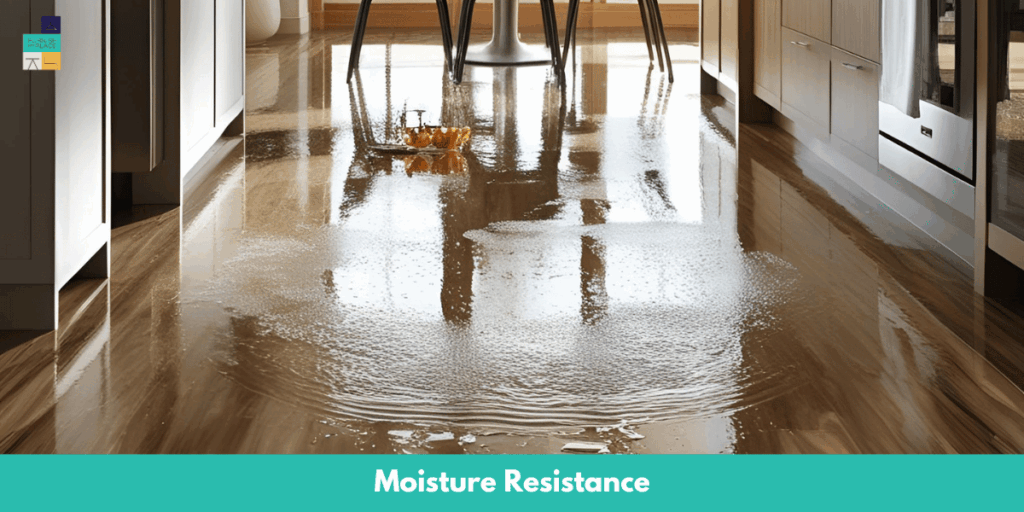
Bathrooms and kitchen areas are daily exposed to water from moisture, steam, and spills. Hardwood and laminate soak up water, but LVP flooring will not, making it a good option for such areas.
High Foot Traffic & Durability Needs
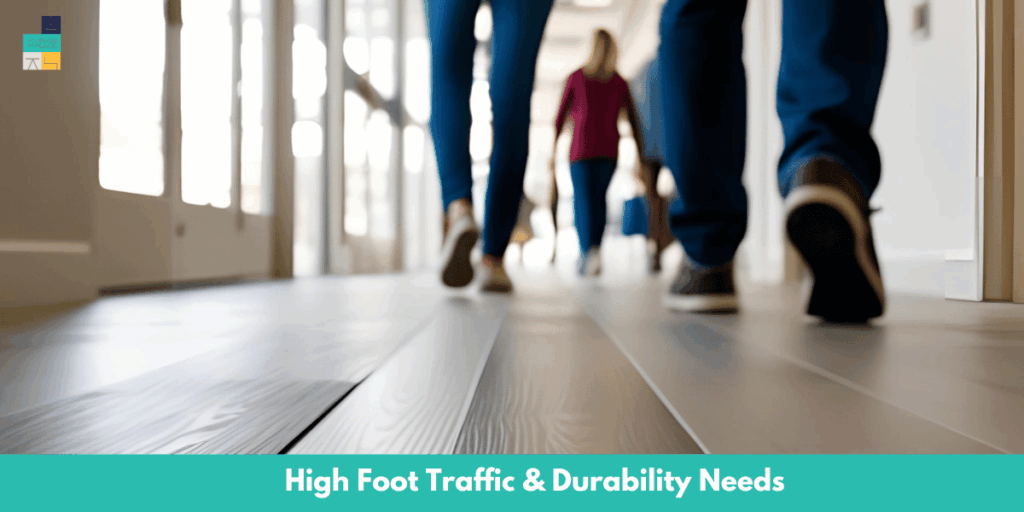
- Kitchens experience continuous foot traffic, high-use appliances, and unintentional spills.
- Bathrooms are exposed 24/7 to moisture and wet foot traffic.
Safety and Slip Resistance
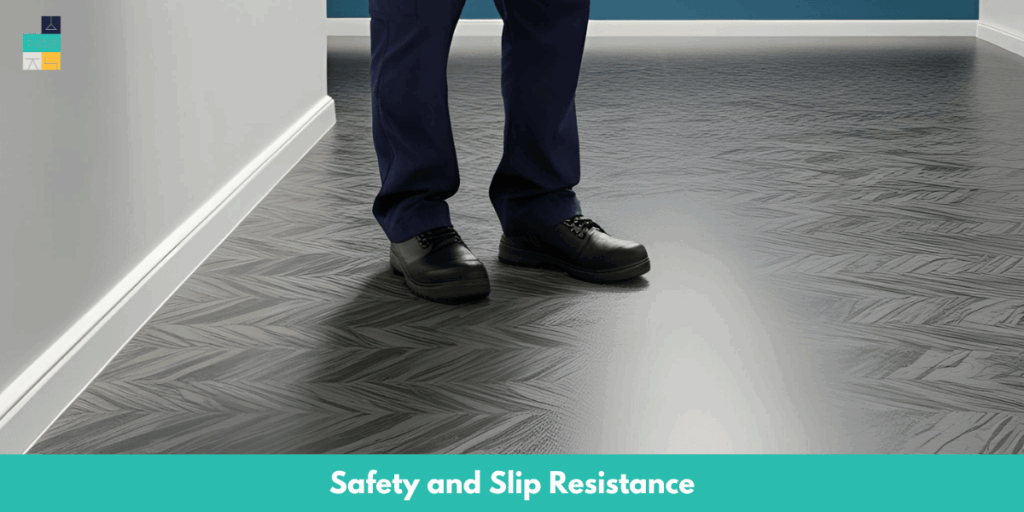
Smooth surfaces and water can cause slip accidents. LVP flooring is textured and has anti-slip finishes, so it is a safer choice than laminate or tile.
Is LVP Flooring Waterproof?
LVP flooring is fully waterproof because of its non-porous surface and SPC/WPC core technology. Unlike laminate or hardwood, which absorb water and warp with time, LVP remains stable and shows water resistance.
Why This Matters for Kitchens & Bathrooms
- Kitchens: Liquids like food, oil, or water will not seep into LVP.
- Bathrooms: Resists steam, standing water, and constant cleaning without getting worn out.
Durability & Wear Layer: How LVP Flooring Holds Up
Scratch & Stain Resistance
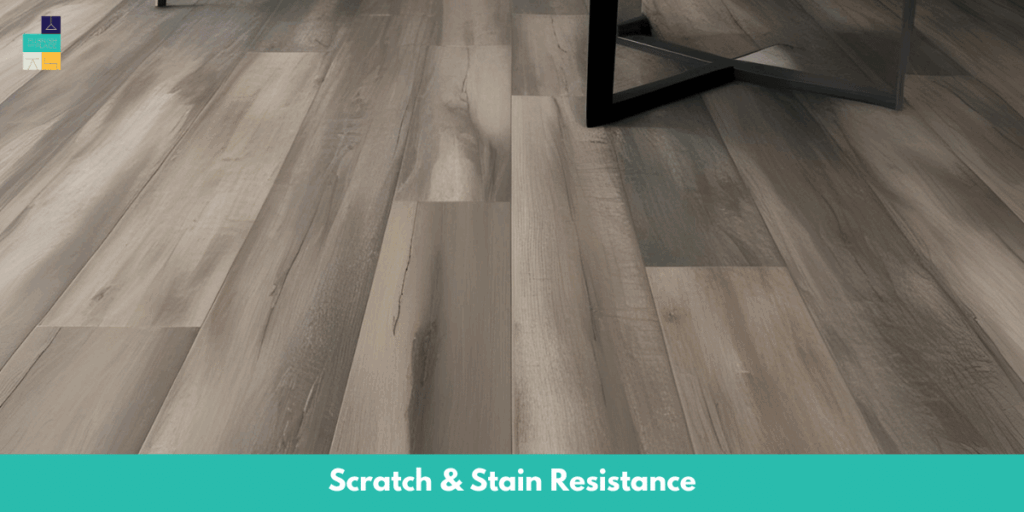
- Wear Layer (thickness 6-20 mils) guards against scratches, scuffs, and stains.
- Resistant to damage by furniture, stilettos, and cat claws.
Temperature & Humidity Stability
- SPC-core LVP flooring provides excellent thermal stability, preventing any expansion or contraction.
- Performs well in temperature-varying environments.
Aesthetic Appeal: Does LVP Flooring Look Good in Kitchens & Bathrooms?
- A wide variety of designs features wood, tile, and stone looks.
- It supports contemporary, country, or classic decors.
- Comes in herringbone, wide plank, and tile finishes.
Installation Methods for Kitchens & Bathrooms
Click-Lock (Floating)
- Simple DIY-friendly installation.
- Appropriate for use in the kitchen but needs bathroom moisture barriers.
Glue-Down Installation
- Perfect for bathrooms because of protection against moisture.
- Ideal for heavy traffic.
Loose Lay LVP
- Suitable for temporary installations.
- Simple to replace single planks.
Maintenance & Cleaning: How to Care for LVP in Kitchens & Bathrooms
- Daily Sweeping & Weekly Mopping to keep the floors clean.
- Use pH-neutral cleaners (don’t use strong chemicals or bleach).
- Put mats in front of showers and sinks to reduce water exposure.
Cost & Value: Is LVP a Budget-Friendly Choice?
Initial Cost vs. Alternatives
- LVP flooring is priced at $2–$7 per sq. ft., less than tile or hardwood.
- Lower cost to install (DIY-friendly).
Long-Term Investment
- Strong enough to endure 10–25 years.
- Increases the resale value of a home due to its modern appeal.
LVP Flooring for Kitchens and Bathrooms in NC
If you are planning to install LVP flooring in your kitchen or bathroom, you need to look for quality materials and expert installation services in your region. Whether you live in Charlotte, Greensboro, Winston-Salem, or Salisbury, luxury vinyl flooring is a favorite among homeowners who are looking for waterproof, long-lasting, and fashionable flooring solutions.
LVP flooring in Greensboro, NC offers the perfect blend of durability and beauty, offering a superior solution for busy kitchens and bathrooms exposed to moisture. Similarly, luxury vinyl flooring is a leading choice in Charlotte, NC for modern home remodels, offering the warm beauty of hardwood with the strength of vinyl.
Salisbury and Winston-Salem homeowners also enjoy high-performance LVP flooring, which makes their rooms moisture-proof, low-maintenance, and fashionable. With numerous designs to choose from, ranging from natural wood grain to stone-look, LVP flooring goes well with any interior design and withstands day-to-day wear and tear.
Conclusion
LVP flooring is an ideal choice for kitchens and bathrooms as it is low-maintenance, long-lasting, and water-resistant. It has the beauty of hardwood or tile at a quarter of the cost without the cons of warping, cold floors, or the need to clean grout.
For residential, commercial, and business use, Luxury Vinyl Plank (LVP) offers a durable, stylish, and affordable floor option. If you desire a floor renovation suitable for the current era, LVP is ideal.
Is LVP flooring better than tile for kitchens and bathrooms?
LVP is warmer, cozier, and easier to install than tile, yet simultaneously remains 100% waterproof.
Is LVP flooring steam and high-humidity-resistant in bathrooms?
Yes, SPC-core LVP flooring is highly resistant to steam and moisture.
Which is the optimum installation for LVP in a bathroom?
Glue-down LVP is best for moisture protection without seams.
Does LVP flooring increase the resale value of homes?
Yes, it is a modern and strong upgrade that appeals to potential homebuyers.
How frequently should the LVP floors in kitchens and bathrooms be washed?
Sweeping daily, mopping weekly using mild detergents.
Can I install LVP over existing tile in my kitchen?
Yes, floating LVP can be installed over level, smooth tile.
Is LVP flooring pet-friendly for kitchens?
Absolutely! LVP is waterproof and scratch-proof, making it ideal for pets.
