
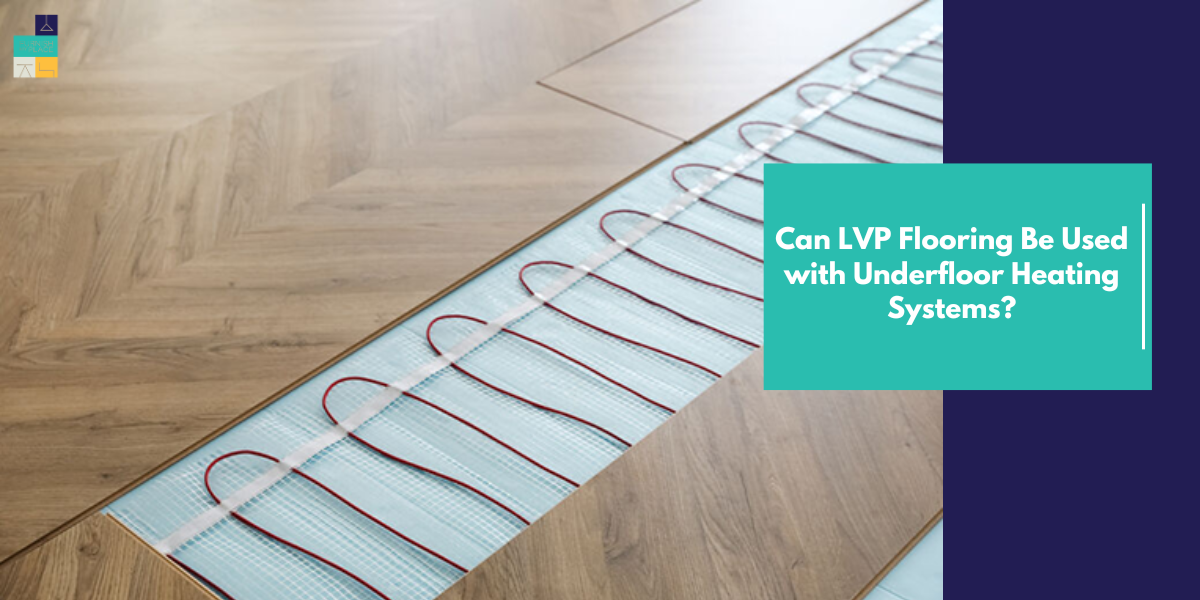
Luxury Vinyl Plank (LVP) flooring is the perfect option for homeowners who value durability, affordability, and aesthetic appeal. Underfloor heating systems provide heat that is both energy-efficient and visually appealing in modern homes. But would it be feasible to use underfloor heating on LVP flooring? If installed correctly and in the appropriate conditions, then the answer is yes. In this article, we will cover the installation of LVP flooring and the appropriate methods for putting it in an area with underfloor heating.
Understanding Underfloor Heating Systems
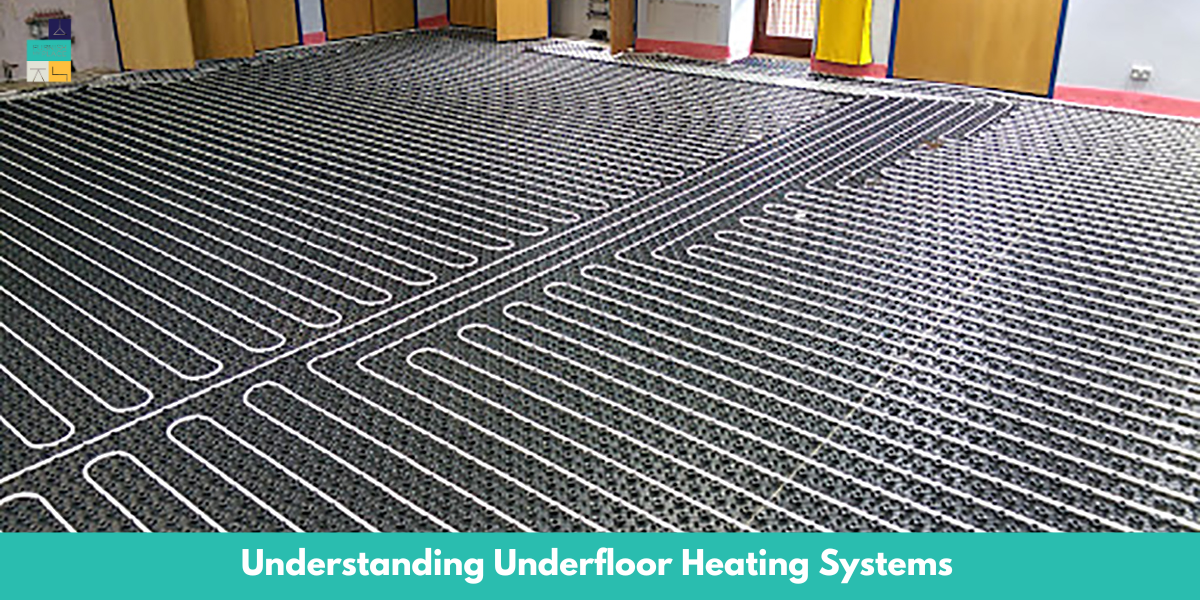
What is Underfloor Heating?
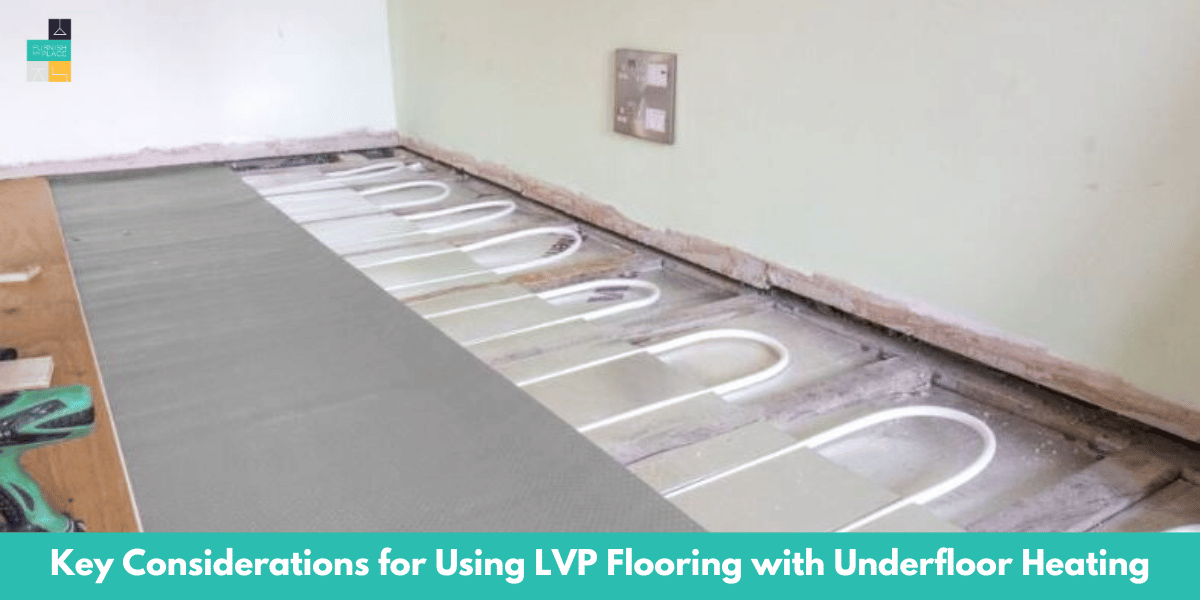
Underfloor heating (UFH) is a type of heating system that distributes heat over the entire floor, rather than using radiators. Better energy efficiency and uniformity in room temperature are achieved through this system.
Types of Underfloor Heating Systems
Hydronic (Water-Based) Systems
- These systems use heated water in pipes below the floor.
- Great for heating the whole home.
- They take longer to warm up but hold heat well.
Electric (Wire-Based) Systems
- These use heating cables or mats under the floor.
- They warm up quickly but can increase your electric bill.
- Best for smaller areas.
Both systems work with LVP flooring. Just keep the temperature in check to avoid damage.
LVP Flooring and Heat Compatibility
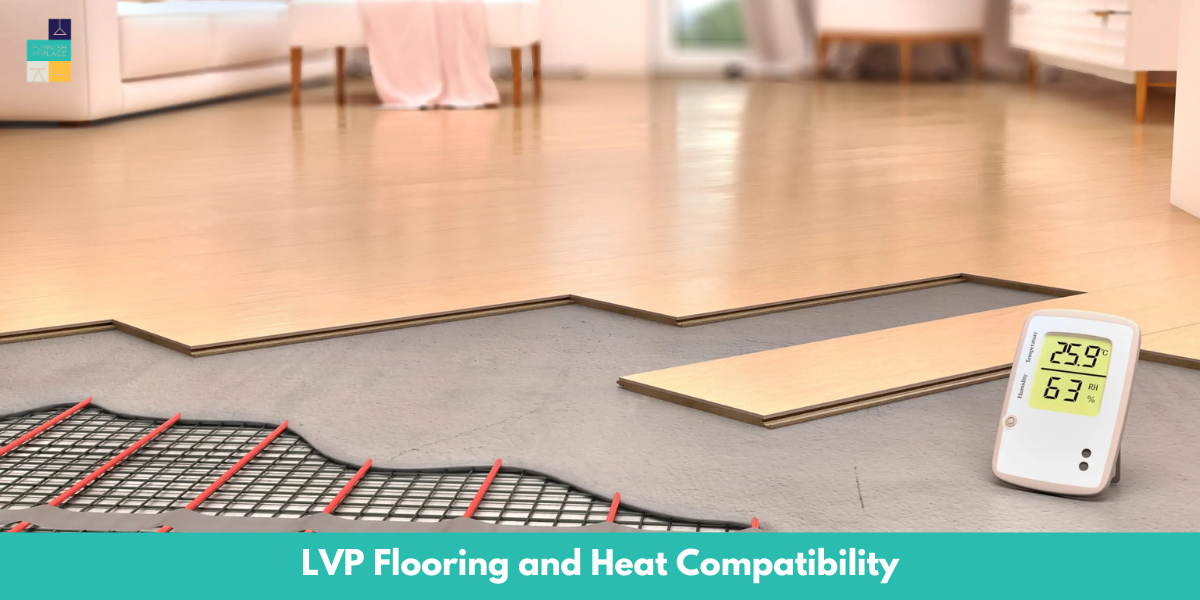
Is LVP Flooring Heat-Resistant?
LVP can handle some heat changes, but too much heat can cause it to warp. Most manufacturers say to keep the temperature below 80°F to 85°F (27°C to 29°C) to keep your flooring stable.
Manufacturer Guidelines for Heat Exposure
Always look up manufacturer recommendations before installing LVP over underfloor heating. Some brands allow it, while others may cancel your warranty if it gets too hot.
How Temperature Regulation Prevents Flooring Damage
- Too much heat can break down adhesives and make planks unstable.
- Sudden temperature changes can create gaps.
- Using a good thermostat helps keep heat levels safe.
Key Considerations for Using LVP Flooring with Underfloor Heating
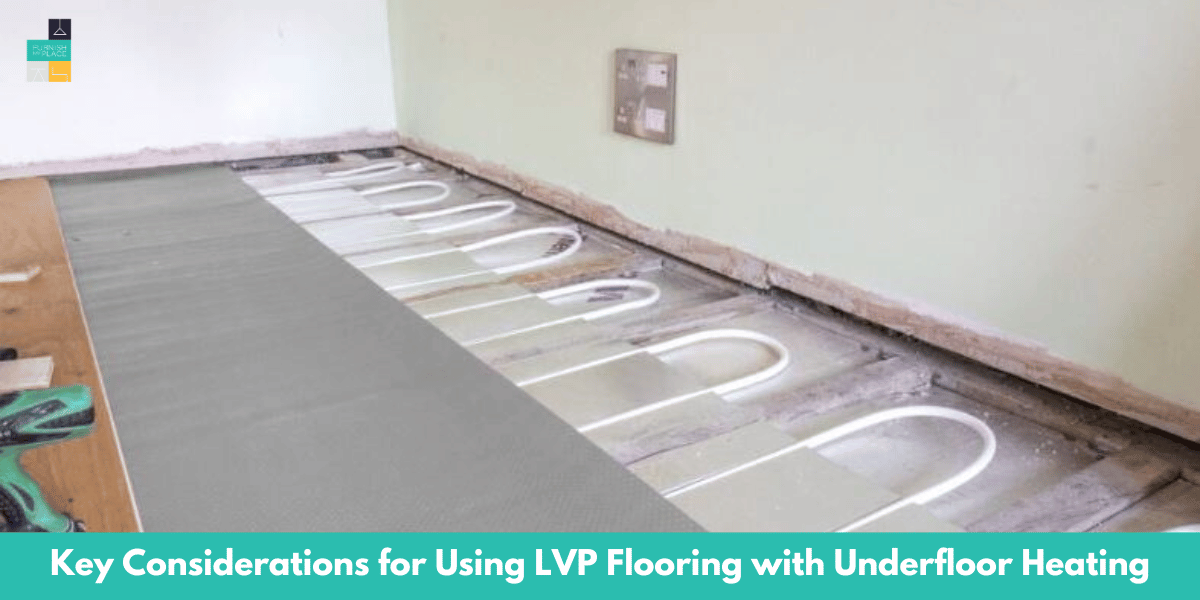
Proper Temperature Regulation
- Don’t let the floor go over 85°F (29°C).
- Make temperature changes gradually to avoid quick expansion or contraction.
- Use a thermostat-controlled heating system.
Thermal Conductivity of LVP Flooring
LVP doesn’t conduct heat as easily as tile or stone. Thin planks (2-5mm) can help heat transfer better.
Expansion and Contraction
Heat changes can make LVP expand and contract, leading to gaps. Keeping a steady indoor humidity and temperature can help.
Warranty Considerations
Many brands only cover warranties if you use approved heating systems. Always verify the manufacturer’s rules.
Best Installation Practices
Choosing the Right LVP Flooring for Heated Floors
- Look for rigid core LVP, as it handles heat better than regular vinyl.
- Pick flooring labeled for underfloor heating.
Subfloor Preparation for Efficient Heat Distribution
- Make sure the subfloor is clean, dry, and level.
- A thermal underlayment can help with heat distribution.
Adhesive vs. Floating Installation
Floating LVP Flooring and Radiant Heat Efficiency
- Floating LVP can shift more than glued-down flooring.
- Leave a gap (5-10mm) around the edges.
- Some brands say click-lock planks work better with heat.
Adhesive-Based LVP and Heat Exposure Risks
- Some adhesives might soften if it’s too hot.
- Use heat-resistant adhesives made for underfloor heating.
LVP Flooring for Different Rooms with Underfloor Heating
Living Rooms and Bedrooms
- Gives a warm and comfy feel to your main living spaces.
- Makes bedrooms cozy with even heat.
Kitchens
- Keeps the floor warm and comfy while cooking.
- Easy to clean since LVP resists spills and stains.
- Works with both hydronic and electric systems.
Bathrooms
- LVP is water-resistant, making it perfect for warm bathroom floors.
- No more cold tiles in winter while keeping that luxury look.
Hallways and Entryways
- Gives a warm welcome in busy areas.
- Works well with electric underfloor heating for quick warmth.
- LVP’s scratch resistance makes it tough for high-traffic spots.
Preventing Issues with LVP Flooring and Underfloor Heating
Thermostat Control to Prevent Overheating
- Use a programmable thermostat to maintain consistent temperatures.
- Avoid sudden temperature spikes to prevent expansion issues.
Using an Insulation Layer to Improve Heat Efficiency
- Some underlayments can improve heat transfer while reducing energy waste.
- Avoid thick, heat-resistant underlays that block heat flow.
Regular Maintenance of Heating Systems
- Check for uneven heat distribution.
- Inspect for flooring damage or adhesive loosening.
Benefits of Combining LVP Flooring with Underfloor Heating
- Improved Comfort & Warmth: Provides consistent warmth underfoot.
- Energy Efficiency: More efficient than traditional radiators.
- Enhanced Durability with Proper Installation: Maintains stability with correct heat settings.
LVP Flooring for Homes with Underfloor Heating in North Carolina
Luxury Vinyl Plank (LVP) flooring is an excellent option for homeowners in North Carolina looking to integrate underfloor heating systems into their living spaces. Whether upgrading a single room or an entire home, LVP provides durability, warmth, and energy efficiency, making it a practical choice for modern interiors.
Underfloor heating systems are becoming increasingly popular in Charlotte, Winston-Salem, Salisbury, and Greensboro in homes seeking a more uniform heating solution. With proper installation and adherence to manufacturer guidelines, LVP flooring ensures a comfortable and long-lasting flooring experience.
Conclusion
LVP flooring can be successfully used with underfloor heating systems when proper precautions are taken. Choosing the right LVP material, maintaining controlled heat levels, and following best installation practices will ensure long-lasting performance. Always check manufacturer guidelines before proceeding, and consult a professional installer if needed.
Can LVP flooring be used with all types of underfloor heating systems?
Yes, LVP flooring can be used with both hydronic (water-based) and electric underfloor heating systems, provided the temperature does not exceed manufacturer-recommended limits.
What is the maximum temperature LVP flooring can withstand?
Most LVP flooring can withstand surface temperatures of up to 85°F (29°C). Always check the specific manufacturer guidelines.
Will underfloor heating damage my LVP flooring?
Not if installed correctly. Using a thermostat to control heat levels and allowing for proper expansion gaps can prevent damage.
Does LVP flooring reduce the efficiency of underfloor heating?
LVP has moderate thermal conductivity, meaning it allows heat to pass through but is not as conductive as tile or stone. Using thinner planks (2-5mm) can improve efficiency.
How can I install LVP flooring with underfloor heating?
Proper installation includes using an approved underlayment, maintaining an expansion gap, and ensuring the heat is gradually increased after installation.
Will my LVP flooring warranty cover underfloor heating use?
Some manufacturers approve underfloor heating use under specific conditions, but others may void the warranty if heat levels exceed recommendations. Always verify with the manufacturer.
